

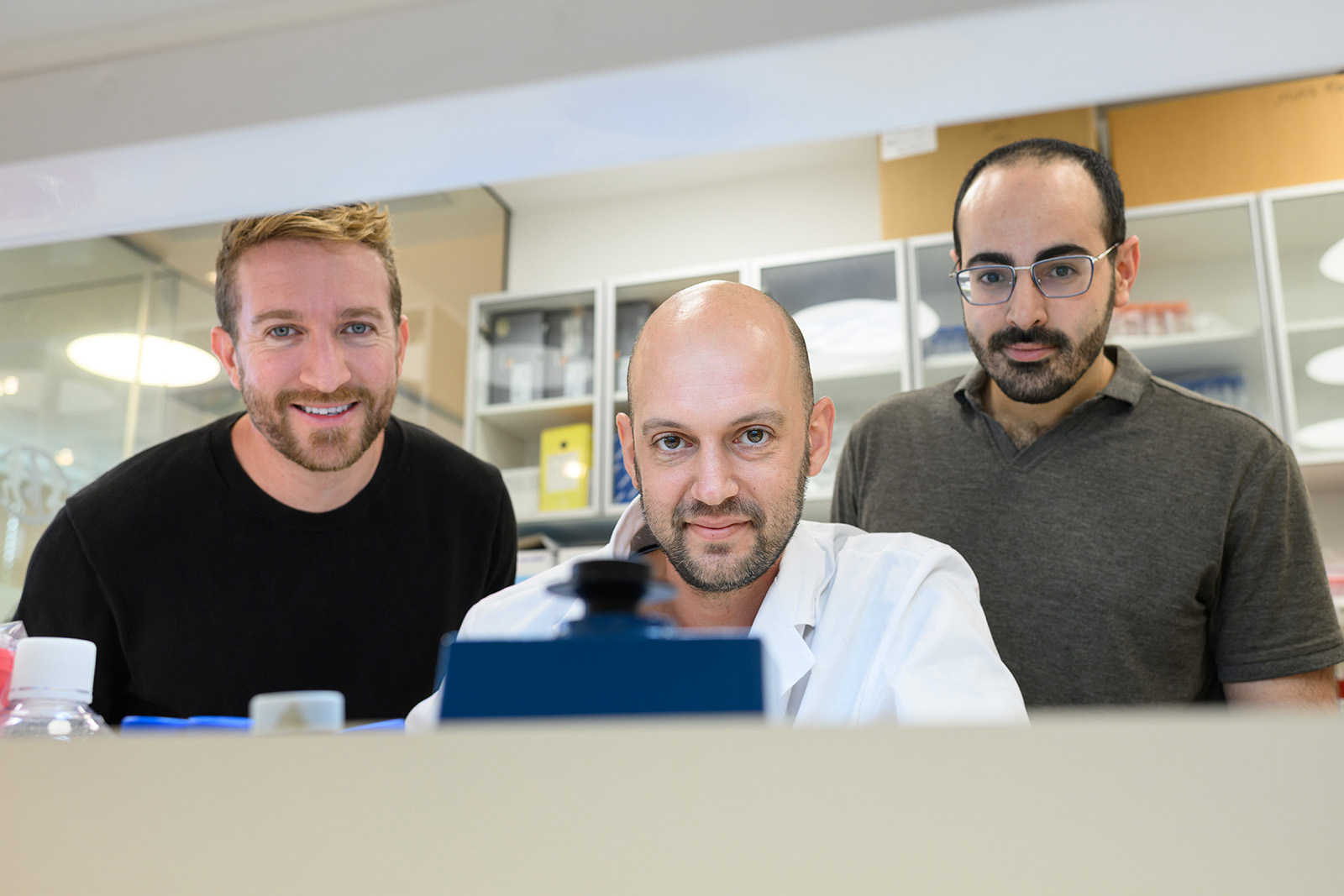
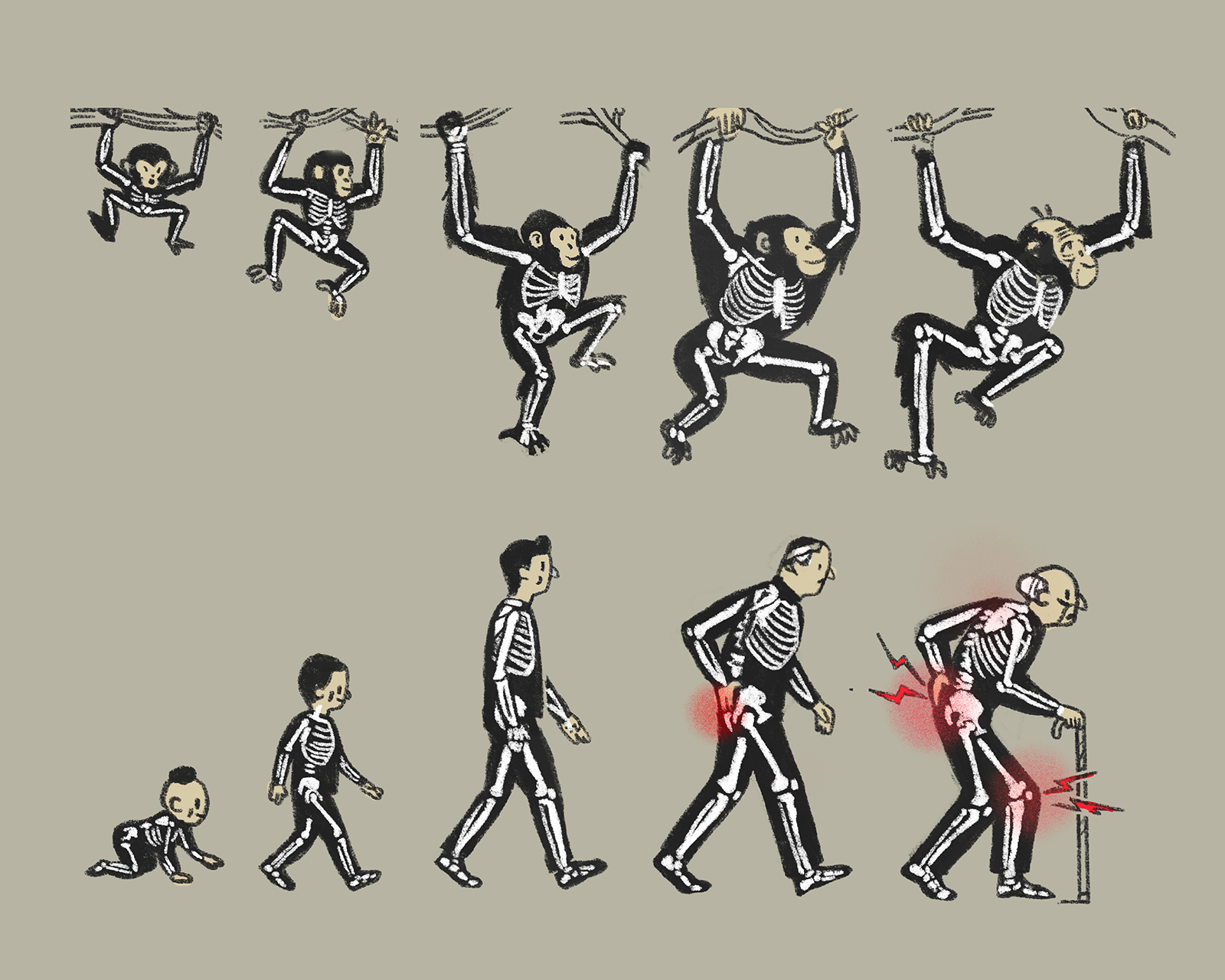
REHOVOT, ISRAEL — September 23, 2026 — One of the differences between humans and the other great apes is that we commonly get chronic joint disease, while chimps and gorillas almost never do. At first glance, we seem to have struck a poor evolutionary bargain. Natural selection is supposed to weed out harmful traits, so why are we so much more prone to wear-and-tear disorders of the joints and spine than our evolutionary cousins? Osteoarthritis, for example, a major cause of disability and reduced quality of life, affects hundreds of millions worldwide. In a study published today in Nature, Israeli and Japanese researchers propose an answer based on the use of hybrid human-chimpanzee cells and other advanced techniques. They reveal that painful joints may be a hidden price we pay for traits that make us human.
“Unlike the joints of other great apes, whose composition hasn’t changed for millions of years, human joints underwent a dramatic evolutionary shift,” says Dr. David Gokhman of the Weizmann Institute of Science. His team conducted the study in collaboration with the lab of Dr. Fumitaka Inoue of Kyoto University. “That shift made our joints less effective at absorbing shocks and exposed us to skeletal diseases – including osteoarthritis, degeneration of the spinal discs and herniated discs – that are uncommon in other great apes, including those that reach old age. Even chimps that live into their 60s or 70s, for example, are almost as agile as younger ones while climbing trees.”
Gokhman explains that he chose to explore the skeleton both because it is central to human evolution and because it has been the major source of knowledge about how our species evolved. “Our skeleton is mostly what survives of our ancestors in the fossil record,” he says. “Moreover, it reflects many of the features that distinguish us from other great apes – including our upright walking, slender bones and long legs.”
The first challenge of the study was to learn which genetic changes had produced these features. Simply comparing the genomes of humans to those of other great apes wasn’t enough. The team – led by doctoral students Nadav Mishol from Gokhman’s lab and Yizhi Yan from Inoue’s lab – mapped roughly half a million single-letter mutations that set apart human DNA from that of chimpanzees, but they discovered that the vast majority of these mutations had little or no effect on the genome’s function. They therefore zoomed in on the small fraction of mutations – around 3 percent – that actually changed gene activity in the course of human skeletal development.
Ultimately, the team built the first comprehensive atlas of genomic regulatory features that distinguish the human skeleton from those of our closest living relatives. That atlas spells out the function of each mutation in the human genome that enabled the evolution of our upright posture and other distinctively human skeletal features.
To arrive at this result, the researchers combined two powerful techniques.
The first, developed by Inoue’s lab and known as a massively parallel reporter assay, attaches tiny genetic barcodes to thousands of DNA segments at once. The barcodes help determine which segments contain mutations that alter gene activity.
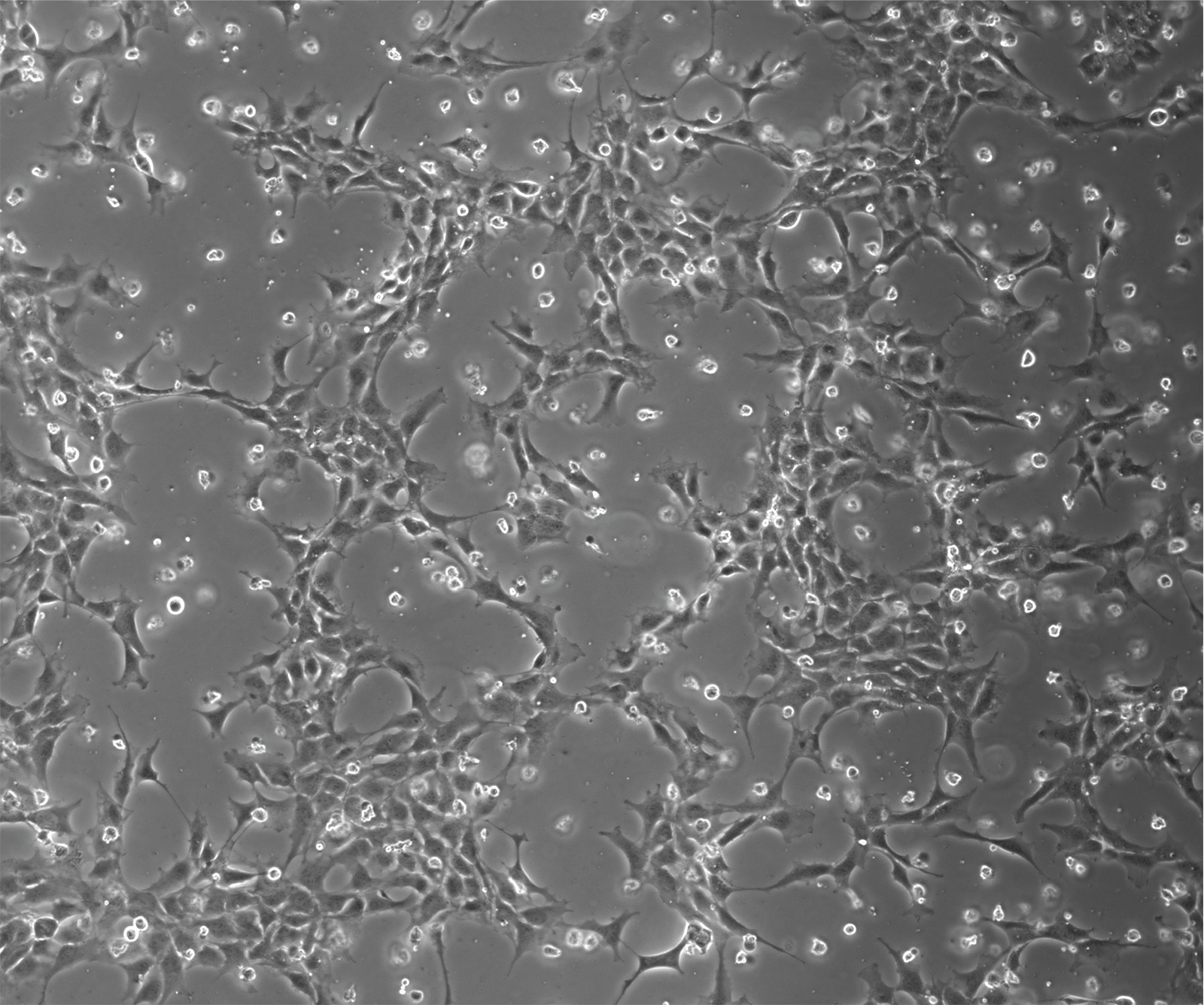
The second technique uses hybrid human-chimpanzee or human-gorilla stem cells. This sounds stranger than it really is. In practice, the approach, which Gokhman developed during his postdoctoral work at Stanford University and later refined at Weizmann, allows the human genome and that of another great ape to operate inside the same cell, under identical conditions. The scientists coaxed these hybrid stem cells to mature into skeletal cells and used them to identify skeleton-related genes whose activity differs between humans and chimpanzees or gorillas.
The missing shock absorbers
One gene-regulation difference the researchers had identified stood out most prominently. It involved the production of long, brush-shaped sugar molecules that make cartilage springy. Cartilage cells release enormous quantities of these molecules, known as glycosaminoglycans, or GAGs, into the space around them. The GAGs, which carry a strong negative electrical charge, attract water, creating a dense, gel-like network that behaves like a shock absorber.
“GAGs, along with the water they hold, make up most of the cartilage,” says Mishol. “Cartilage cells are like tiny islands floating in an ocean of GAGs filling the joint.”
The researchers discovered that an entire group of genes responsible for producing GAGs is less active in humans than in other great apes. They then examined cartilage samples from eight joints in different species and found that, indeed, humans have only about one-third as much GAG material in their cartilage as do chimps, gorillas, orangutans and bonobo.
Without abundant GAGs, cartilage is thinner, less elastic and less able to cushion the forces generated by everyday movement. Bones begin rubbing against one another, setting the stage for osteoarthritis.
“We believe we've found an evolutionary basis for why humans are so vulnerable to osteoarthritis.”
“The GAG molecules themselves didn’t really change during human evolution,” Mishol explains. “What changed was how many of them we produce.”
Much larger GAG volume explains why other great apes tend not to develop osteoarthritis or other joint disorders, showing almost no signs of skeletal disease even as they age, unless their cartilage is severely damaged by trauma.
Humans, in comparison, start life with much less cartilage to begin with, and what we do have is less effective at cushioning the joints. Since cartilage has almost no capacity to regenerate, decades of use gradually erode this already limited reserve, making joint disease much more likely later in life.
“The drop in the production of GAGs is the most extreme genetic change our skeleton has undergone in the course of evolution,” Gokhman says. “We believe we've found an evolutionary basis for why humans are so vulnerable to osteoarthritis.”
Why evolution favored weaker joints
The fact that people with degenerative skeletal disease have reduced GAG levels in their joints was known to medicine. But by highlighting reduction in GAGs as the major evolutionary change that made humans susceptible to the disease, the study may open new ways of studying osteoarthritis. And by pinpointing the genetic mechanisms behind the thinning of cartilage, it may help identify people at risk, leading to prevention and perhaps even improved therapies.
Still, the question remains: If thinner cartilage is so problematic, why would evolution preserve it?
One possible explanation involves the brain. Although GAGs are best known for their role in cartilage, they are also abundant in the brain and the rest of the nervous system, where they help stabilize connections between neurons. High levels of GAGs lock neural circuits into place, limiting the brain’s ability to keep rewiring itself. Lower GAG levels may have allowed the human brain to remain exceptionally malleable for much longer compared to other great apes, giving humans more time to learn, adapt and acquire increasingly complex skills.
The second possibility involves the skeleton itself. Compared with other great apes, humans have lighter, more slender bones. A reduction in GAGs may have contributed to building this delicate skeleton. That idea fits neatly with one of the leading hypotheses in human evolution: that our bodies were shaped for long-distance running. We may be relatively weak, and we cannot sprint as fast as many mammals, but we can keep moving for hours. This adaptation may have allowed early humans to pursue prey over long distances until the animals overheated and collapsed.
Both explanations remain hypotheses, but each offers a plausible link between thinner cartilage and traits that distinguish humans from other great apes.
Whether that trade-off was worth it is impossible to answer. From evolution’s perspective, painful knees at age 70 may be a surprisingly small price to pay for advantages that improve chances of survival at age 20. That’s because evolution often favors traits that improve reproductive success, even if they carry costs later in life. Millions of years after those traits took hold, humans have become a species capable of studying their own evolution using sophisticated tools. We also have remarkably bad knees.
Also participating in the study were Katharina Lange, Gal Bodek, Dr. Aya Kigel, Noam Priel, Nachshon Egyes, Omer Ronen, Itamar Nini, Dr. Amit Philosoph, Adi Rozenblatt, Guy Hirsh, Yael Elboim, Sergey Viukov, Idan Korenfeld, Prof. Jacob H. Hanna and Dr. Simon Fishilevich of Weizmann’s Molecular Genetics Department; Dr. Zicong Zhang and Dr. Rika Tsujikawa of Kyoto University; Dr. Liat Rotenstreich and Prof. Assaf Marom of the Technion – Israel Institute of Technology; Sira Martinez of the European Molecular Biology Laboratory, Barcelona, Spain; Dr. Silvia Beltramone, Dr. Lucas Esteban Wange, María Torralvo and Prof. Tomas Marques-Bonet of the Institute of Evolutionary Biology (UPF-CSIC), Barcelona, Spain; Mythili Damal Kandadai, Océane Cluzeau, and Prof. Evie Vereecke of KU Leuven; Dr. Malka Nissim-Rafinia and Prof. Eran Meshorer of the Hebrew University of Jerusalem; Prof. Martin Kuhlwilm of the University of Vienna; and Prof. Guillaume Bourque of McGill University.